
By Maureen Tai, 27 August 2020
“Most people in America cannot pronounce my name.” – Ravi
” My name is Joe, but that’s not what most people call me.” – Joe

In a world that desperately needs to hear diverse voices, especially those that have been traditionally silenced by louder, more strident ones, Save Me A Seat serves up not one but two extremely likeable and authentic voices. This heartwarming middle grade book, a unique and masterfully executed collaboration between two accomplished authors, recounts the events of the first week at Albert Einstein Elementary School, New Jersey, as experienced by two very different fifth graders. Ravi, bespectacled and small-built, “shrimpy” by some accounts, recently arrived with his family from India, and Joe, earbuds in his ears and toweringly tall, “big footed” by other accounts. How will our two main protagonists survive their first week of American cafeteria food, let alone the predations of the hateful class bully?
Continue reading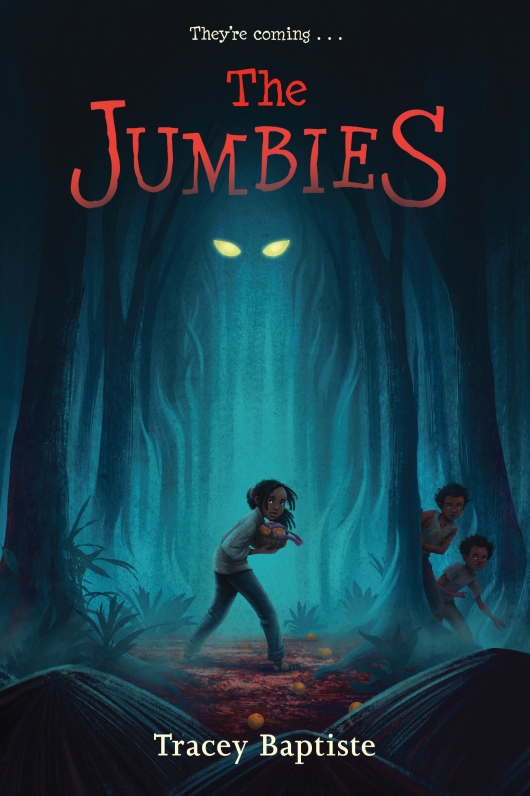 When I was in primary school in Malaysia, my best friend and I would scare ourselves silly by reading the Dark Forces series of teen horror story books. The cover art alone was spine-chilling, and woe betide if you read too late into the night. I swear that I saw the
 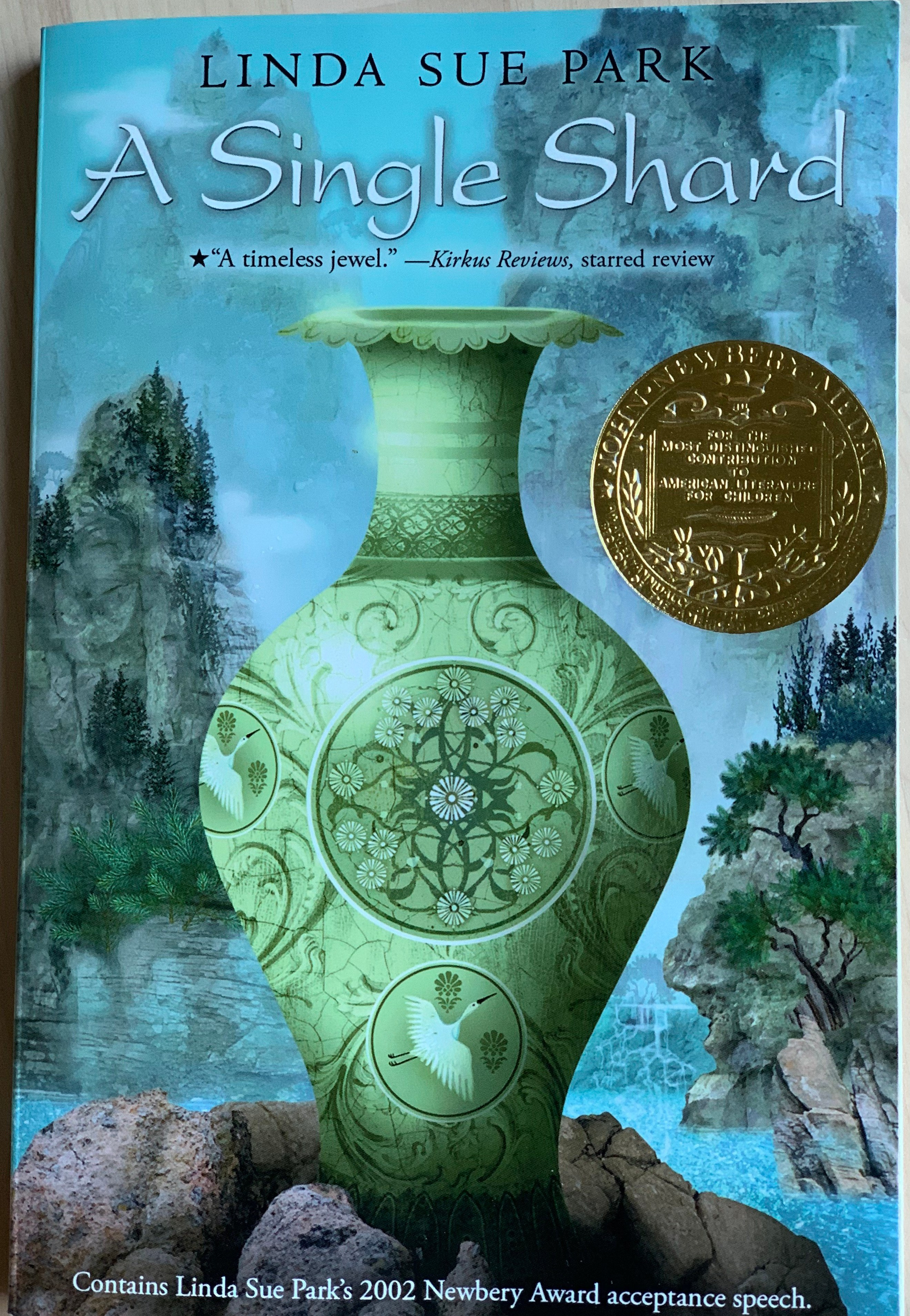 I love fictional middle-grade stories set in an unfamiliar time and place, be it in the past, present or distant imagined future, which also retain a link to people or things that are real or once tangible. In addition to the satisfaction of having read a good yarn, it is exciting to discover something new about the world. It’s a little like finally finding out the use for that doohickey that’s sat in the kitchen drawer for years. Linda Sue Park’s engrossing A Single Shard hits both notes. It tells the story of a possibly 12 year old boy called Tree-ear, and is set in a little village in Korea in the 12th century during a period when Korean celadon pottery was at its zenith. The exquisite jade green colour of this pottery, which also featured delicate inlay work, was achieved through the confluence of skilled artisanship, unwavering dedication, purity of materials and creative innovation. In Tree-ear’s case, he has some helping hands along the way.
 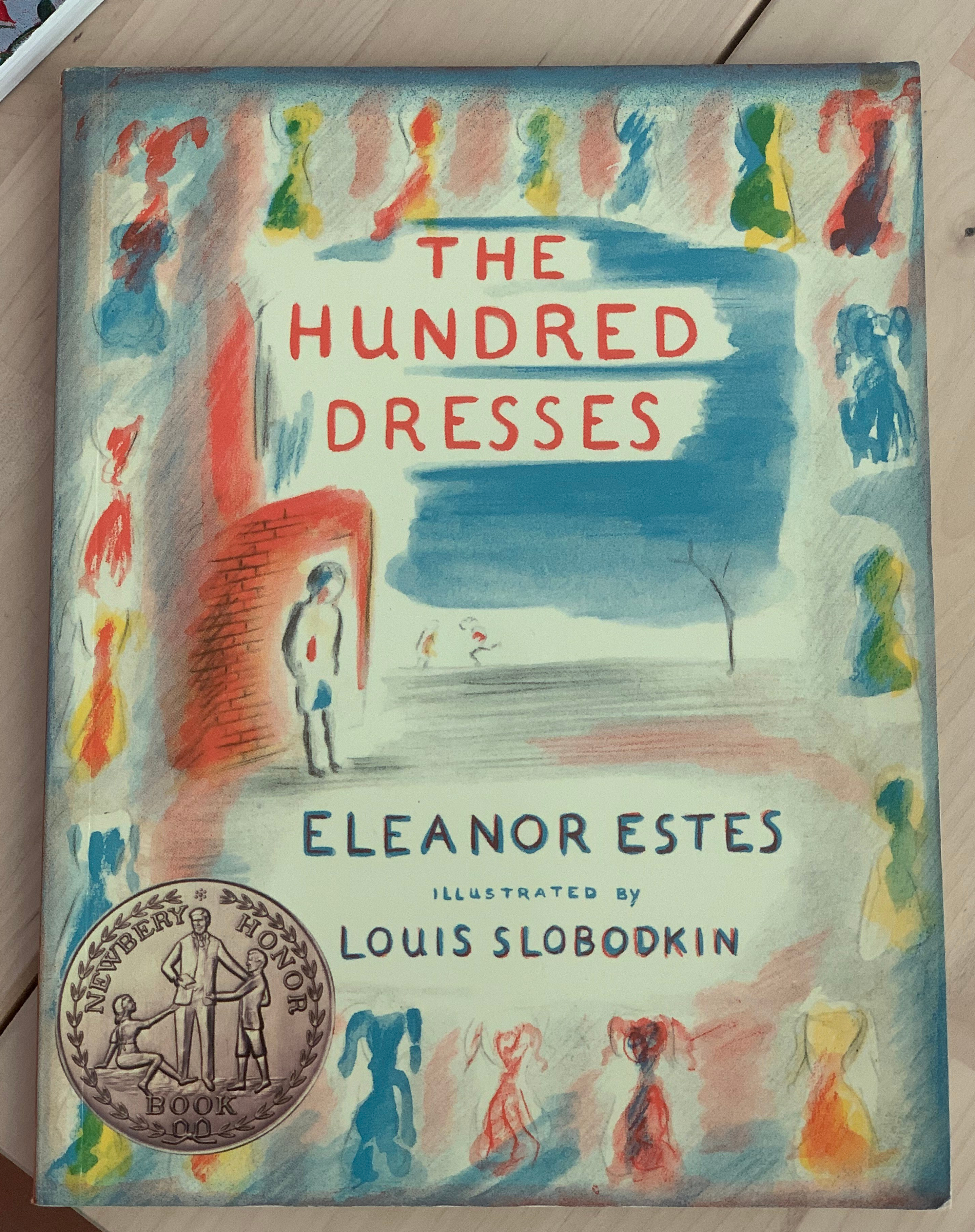 I read The Hundred Dresses some years ago, when Anna was still in lower school. Back then, she was grappling with playground politics for the first time – best friends who made unreasonable requests and cliques that excluded her because she didn’t have the latest trendy toy – and fumbling miserably. I listened to her woes, soothed and counselled but decided ultimately, to allow her to find her own solutions and to make her own way. “Little girls can be so mean,” was a common refrain from other parents, and I urged Anna to try as best she could but in every circumstance to be kind, regardless of how others were treating her. She didn’t always succeed, but then again, neither did I when I was her age, nor did Maddie and Peggy, the two main characters in Eleanor Estes’ classic story about a little girl who is ostracised and bullied by her unkind classmates.
  Stories That Stay With Us