
By Maureen Tai, 6 May 2018
“One morning, Bear was crying. His best friend, a little bird, was dead.”
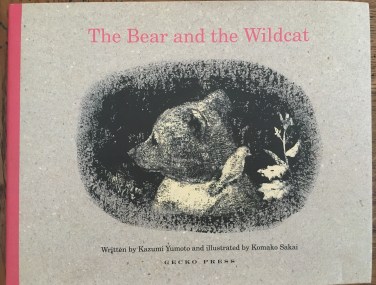
With that opening line, there is no doubt about it. This picture book is about death.
“One morning, Bear was crying. His best friend, a little bird, was dead.”
With that opening line, there is no doubt about it. This picture book is about death.
“All the seeds and roots are sprouting. I can hear you saying, ‘April showers bring May flowers.’ ” – Lydia Grace Finch
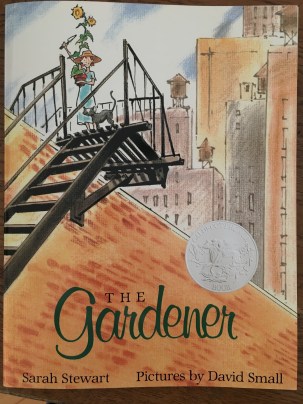
It is the mid-1930s in small-town America. Even though Lydia Grace and her grandmother’s garden is bountiful and overflowing with vegetables and flowers, there is no work for Papa nor for Mama. Times are hard for the Finches.
“No one notices such a small presence … be still here in the snow.”
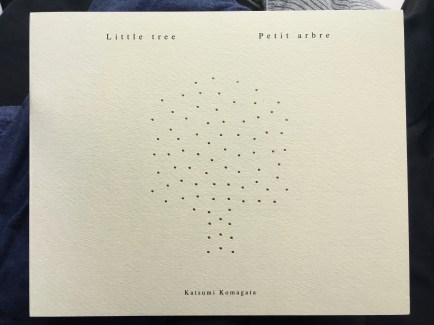
Except we do notice. There is a pristine shard of white paper, protruding from the middle of the first two pages like a beak, or an arrowhead, or a sprouting seed.
“It’s pretty weird. Maybe it doesn’t belong to anyone. Maybe it doesn’t come from anywhere. Some things are like that … ” … ” … just plain lost.” – Pete

I can’t remember how I came across The Lost Thing, or what compelled me to flip through the ochre and sepia-tinged picture book pages. Perhaps it was the small print on the cover that said “A tale for those who have more important things to pay attention to.” Perhaps it was the oddly ethereal yet somewhat dystopian world that spread out before me. Or perhaps it was just luck.
 Stories That Stay With Us