By Maureen Tai, 20 March 2020
“People can do great things, George. They can come up with noble, shining ideals. But people are also fallible human beings. And we know they made a terrible mistake.” – Takekuma Norman Takei
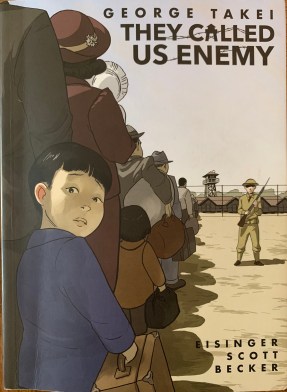 It is in times of crises that the true nature of a person emerges. It is during those same times when individuals in positions of leadership or power can either save or savage. We are witnessing this play out in real time as the world grapples with the novel coronavirus pandemic, and we witnessed this over half a decade ago. At the end of 1941, the surprise attack by the Japanese army of the American naval base at Pearl Harbor, Hawaii, marked the USA’s entry into World War II. The lives of thousands of Americans of Japanese descent were irrevocably altered by human decisions and actions based on fear, hate and at the heart of it all, racism. In They Called Us Enemy, a sobering graphic novel that is accessible to and appropriate for even slightly younger readers, we learn how one particular Japanese American family, the Takeis, lived through those challenging times. Continue reading


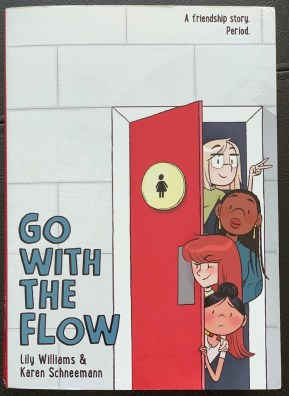 I was 10. I remember cycling to our neighbourhood kedai runcit (convenience store) in Ipoh, the sleepy town in Malaysia where I grew up. I had to pick up some freshly squeezed coconut milk, a loaf of Sunshine bread and a box of Kotex sanitary pads. The Ah Soh at the store handed me the items, but insisted on wrapping up the box of pads with newspaper before I could leave. I didn’t want to miss the start of Gilligan’s Island so I said I didn’t care if it was wrapped or not. “Shameful mah!” she whispered, pushing the parcel into my hands as if it were contraband. For many years afterwards, her words echoed in my ears every time I went to buy pads, by then for my own use, and my cheeks would burn.
  Stories That Stay With Us