
By Maureen Tai, 10 November 2018
“Rosentrasse was still a busy street, but the people were no longer friendly.” – Benno

The endpapers – the first and last two spreads of illustrations – in Benno and the Night of Broken Glass convey the essence of the story. In the first spread, an orange tabby cat pads along a street where only the pedestrians’ calves and colourful shoes are visible. The pace is leisurely, some feet stroll but most just stand, suggesting that people have stopped to chat, or to exchange some news. In the final endpapers, the tabby pads along the same street but the mood is palpably different. The menacing, clunky black boots of soldiers fill the pages and the other civilian feet hurry past. The cat’s face is expressionless but his tail is no longer happily upright. Instead, it is limp, and weighed down.
Something terrible has happened in Rosenstrasse.
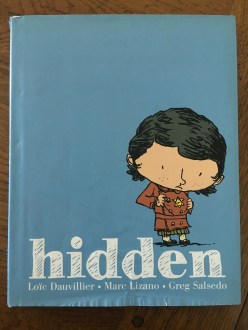 One of the most difficult historical events to explain to a young child is the abhorrent persecution of the Jewish people during World War II, culminating in the Holocaust. But I was determined to make my own children aware of these shameful episodes in history, and I was fortunate to discover hidden, an incredibly powerful graphic novel about a young Jewish girl’s turbulent and heartbreaking childhood in Germany-controlled Vichy, France. The text is simple enough for a young child to read, but the pictures are honest and raw, and pack a deliberate emotional punch that is not easily forgotten.
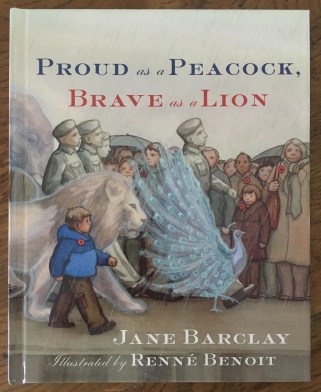 The first Remembrance Day service I ever attended was when I was at university in Toronto. I hadn’t learnt much world history during my school days in Malaysia, and what I had been taught were distant and dusty facts, sparse and relevant only in order to pass exams.
 Stories That Stay With Us