
By Maureen Tai, 24 August 2018
“She turned the guitar upside down and played it backwards. It was kind of like brushing your teeth with your foot. Or tying a shoe with one hand. Nobody else played that way, but it was the way that felt right to Libba.”

This picture book has a sound track. Search for “libba cotten freight train” in Google and you’ll likely pull up a 3 minute YouTube video of a youthful looking elderly lady in a pintuck white blouse, her greying hair tied back, her face composed, a slight smile on her lips. She is in what I assume is her living room, and she’s playing a guitar with slender, agile fingers. Continue reading
 How does one review a wordless picture book, when the illustrator has already decided that words are insufficient, and ineffective in the storytelling? Do I say that in small things, the illustrations are achingly exquisite and hauntingly beautiful? Or that I felt, understood – to the core – and found familiar, the sadness, loneliness and depression experienced by the small boy in the story? Or that this is probably one of the most profound, and important, picture books on childhood anxiety that I have had the good fortune to discover? All true words, but strangely insufficient, and ineffective. To truly appreciate this wonderful picture book, you need to hold it in your hands and absorb every frame as you turn the pages.
 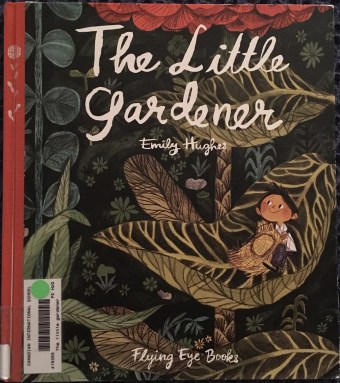 “This was the garden. It didn’t look like much, but it meant everything to its gardener.”
 Stories That Stay With Us