
By Maureen Tai, 6 July 2018
 “There is always something to miss, no matter where you are.” – Sarah
Anna and Caleb live in a lonesome house in the prairies back in the days before electricity and piped water and telephones. They pine for their Mama, who died a day after Caleb was born, and their Papa silently longs for a wife. So Anna and Caleb’s father, Mr. Jacob Witting, decides to put an advertisement in the newspapers for such a companion. And Ms. Sarah Elisabeth Wheaton responds.
 In A Long Walk to Water, not one, but two Sudanese children fearfully and desperately endure the worse conditions conspired by humans and nature. Nya lives where water is scarce and seasonal, and access to this life-giving elixir is dictated by the vagaries of an ancient tribal war. Twenty years earlier when Salva was Nya’s age, he fights for survival in his war-racked country. Sudanese of one faith are aggressors, using violence to oppress, extinguish even, the lives of the non-believers and the less powerful.
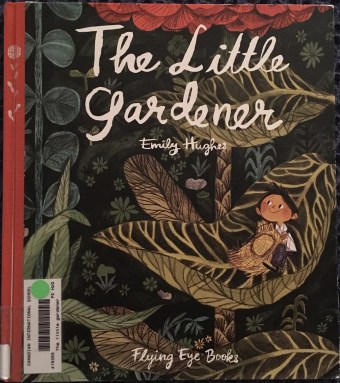 “This was the garden. It didn’t look like much, but it meant everything to its gardener.”
 Minli lives a hand-to-mouth existence in a dusty brown village, nestled in the shadows of the aptly named Fruitless Mountain. The little girl is barely nourished by the grains of rice that her parents coax from the poor land. However, her spirit is sustained by the stories that her father regales her with each evening. These stories have been handed down like precious family heirlooms from so many generations before that they sparkle with magic and the fantastical, and surely, must be ancient figments of an overactive imagination.
 Stories That Stay With Us